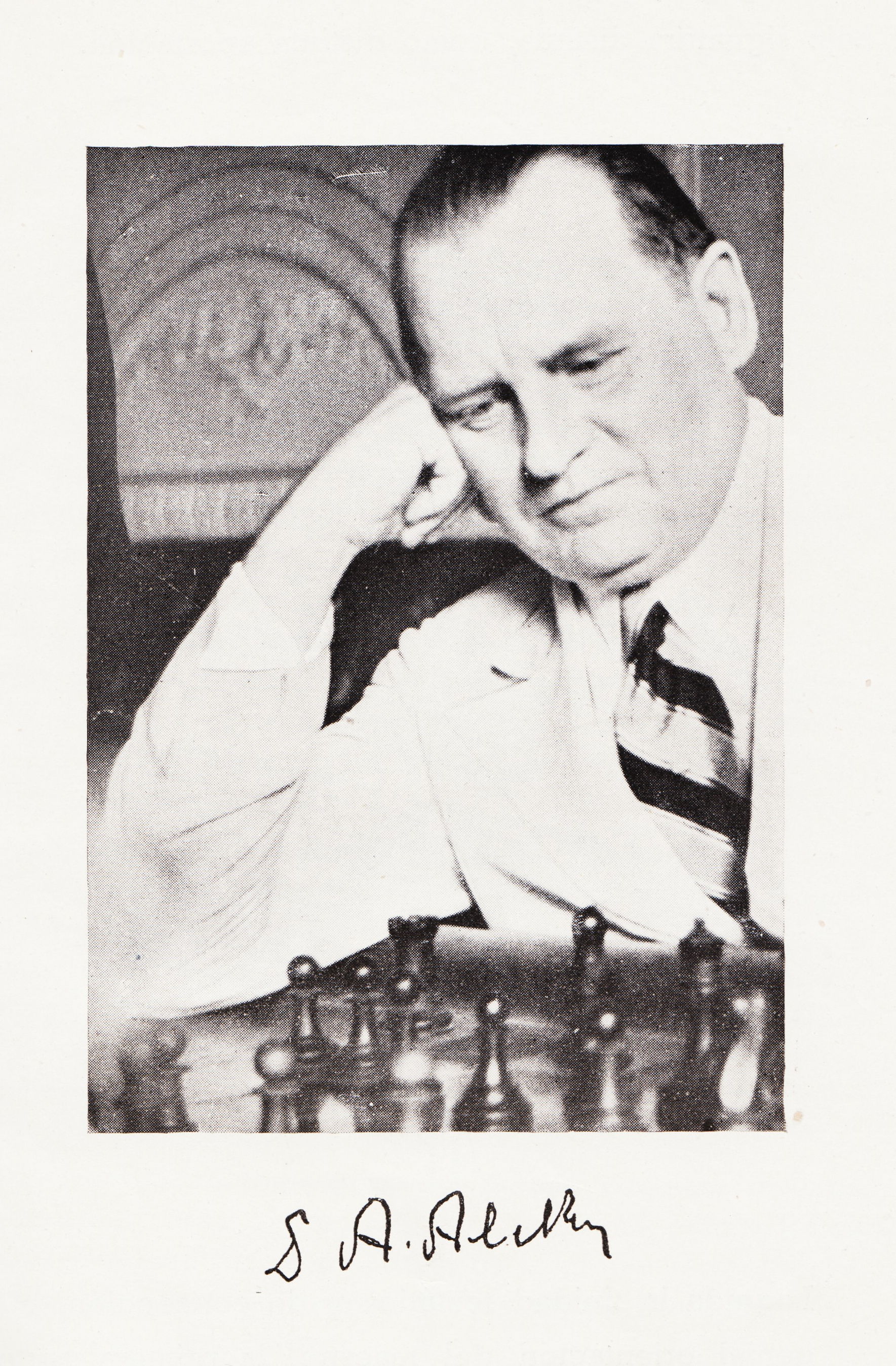
Alekhine and the War
by Georges Bertola
In 2015, I wrote an article devoted to Alekhine and his controversial course during the Second World War.
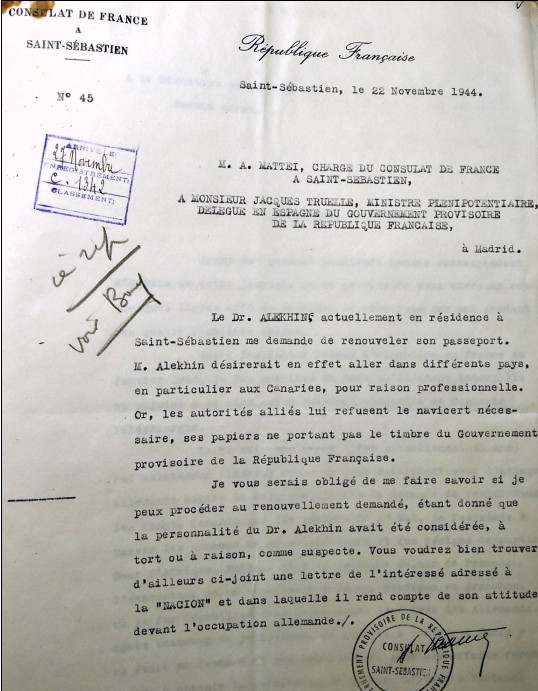
The Spanish historian Xavier Juncosa kindly sent me several very interesting documents that shed light on this troubled period.
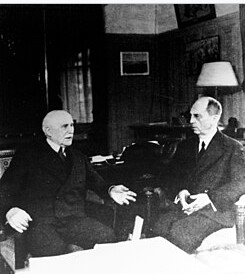
Among them is a letter dated 22 November 1944, sent by the French consulate in San Sebastián to Jacques Truelle, Minister Plenipotentiary and representative in Spain of the Provisional Government of the French Republic in Madrid.
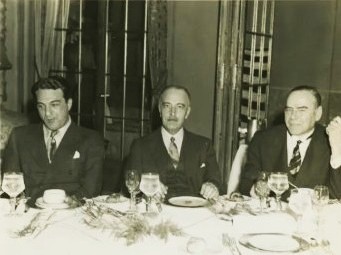
Jacques Truelle (1891-1945) was a diplomat. Mobilized during the First World War, he had been seriously wounded and had his left leg amputated.
A diplomat and a legalist, Jacques Truelle could not imagine joining General de Gaulle after the defeat of June 1940. He remained in the service of the Vichy government and, in 1941, was sent to Bucharest in “fascist” Romania. He was one of the first diplomats to denounce the abuses committed by the Romanian army on the Eastern Front and the extermination of the Jews of Ukraine. In June 1943, Truelle left Romania, abandoning his post in order to join the Free French. He was sent to Madrid, where he dealt with sensitive cases involving escapees from France and the protection of Resistance fighters detained by the Franco regime.
The position in which Alekhine found himself was no doubt unlikely to arouse much sympathy in Truelle.
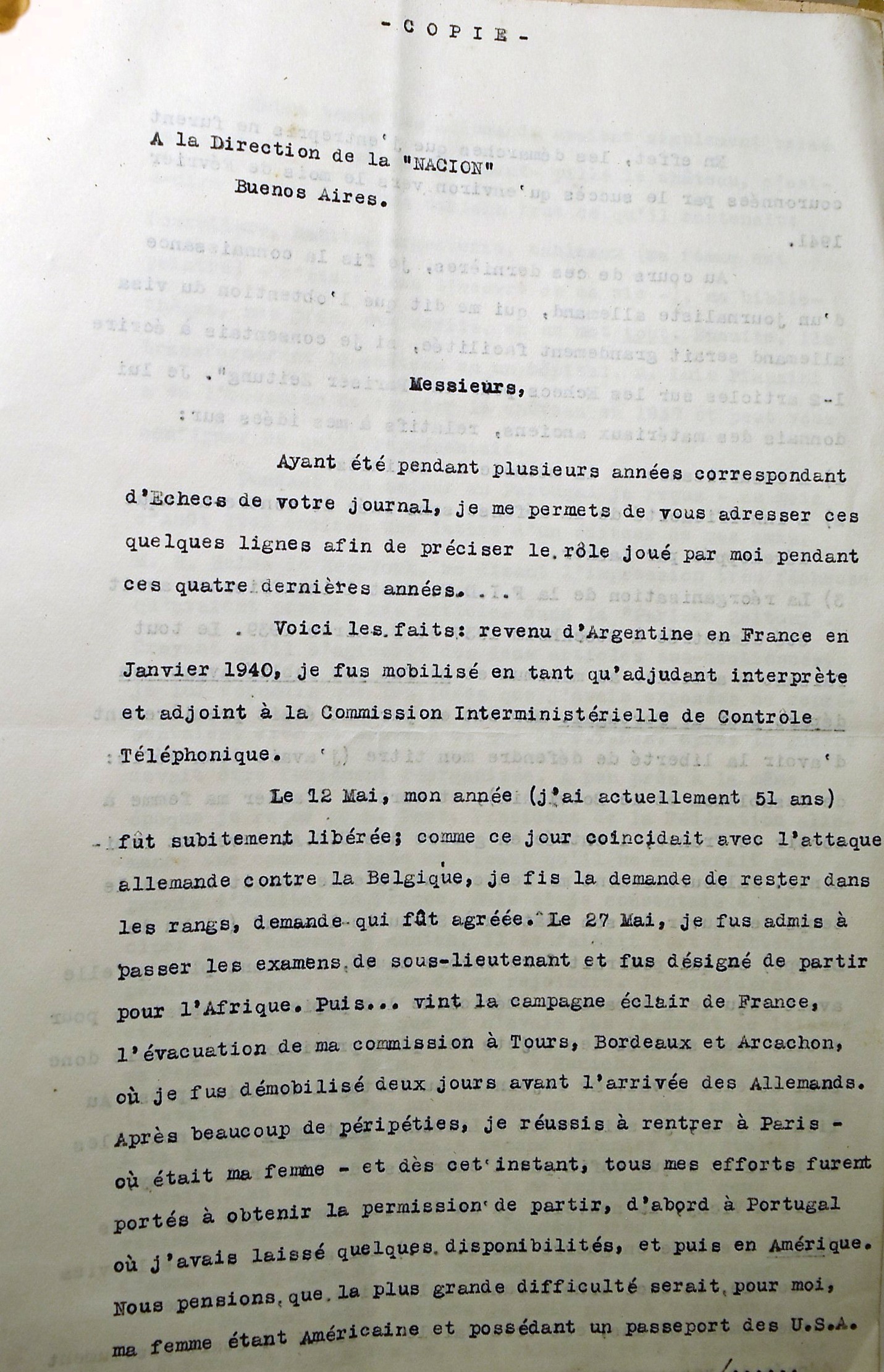
Here is the full text sent by Alekhine to the Argentine newspaper “La Nacion”:
“Having been a correspondent for your newspaper for several years, I take the liberty of sending you these few lines in order to clarify the role I played during these four years.
Here are the facts: having returned from Argentina to France in January 1940, I was mobilized as a warrant officer-interpreter and assistant to the Interministerial Commission for Telephone Control.
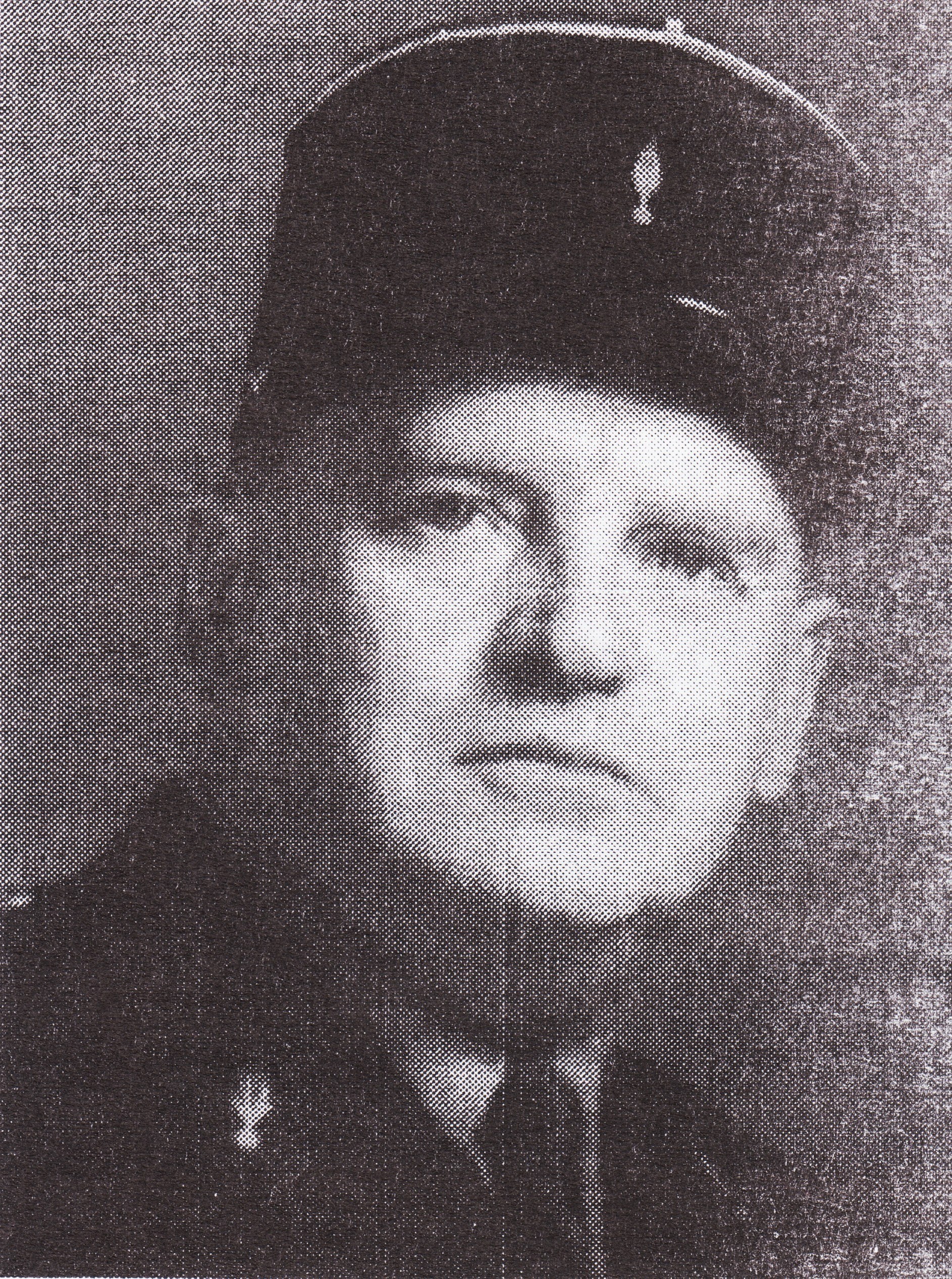
On 12 May, my year group (the 1892 conscription class) — I am now 51 years old — was suddenly released; as that day coincided with the German attack on Belgium, I asked to remain in the ranks. My request was granted. On 27 May, I was admitted to take the examinations for second lieutenant and was designated to leave for Africa. Then... came the lightning campaign in France, the evacuation of my commission to Tour, Bordeaux and Arcachon, where I was mobilized two days before the arrival of the Germans. After many vicissitudes, I managed to return to Paris, where my wife was, and from that moment all my efforts were directed towards obtaining permission to leave, first for Portugal, where I had left some funds, and then for America. We thought that the greatest difficulty would be mine, since my wife was American and held a U.S. passport.
In fact, the steps I took were not crowned with success until approximately February 1941.
In the course of these efforts, I met a German journalist who told me that obtaining the German visa would be greatly facilitated if I agreed to write one or two articles on chess for the “Pariser Zeitung”. I gave him old material relating to my ideas:
1) The inadequacy of Steinitz’s method.
2) The ineffectiveness of defence without any idea of counter-attack, as developed by Lasker.
3) The reorganization of FIDE, whose inadequacy had been demonstrated at Stockholm 1937 and Buenos Aires 1939.The whole amounted to no more than two articles and was not published before my departure for Portugal.
My purpose in leaving was, first, to have the freedom to defend my title (I had two challenges: from Capablanca and Botvinnik), and above all to help my wife leave France, as the entry of the U.S.A. into the war was becoming imminent. Unfortunately, my wife thought she would still have time to save from her château at St-Aubin-le-Cauf (11 km from Dieppe) whatever could still be saved, especially as she had received from the American Embassy the documents needed to place the most valuable objects under seal. I therefore left alone, and she was to join me in Portugal a month later.
Instead, I remained for seven months without news from Paris and finally received, through Admiral Leahy, then in Vichy (William Leahy, 1875-1959, United States ambassador to the Vichy government), the news that at the last moment the Germans (before the U.S.A. entered the war) had refused her an exit visa, without any explanation whatsoever. My wife is now 65 years old, is in very poor health and was absolutely without resources...
-
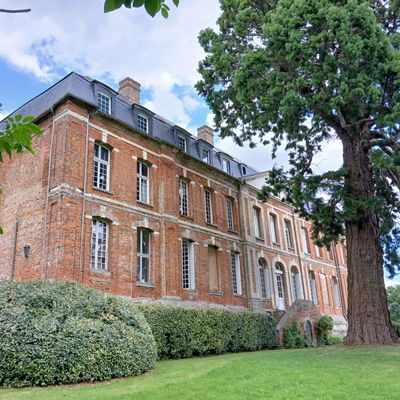
The Château of St-Aubin-le-Cauf -
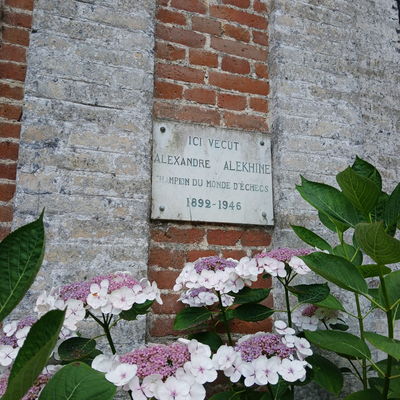
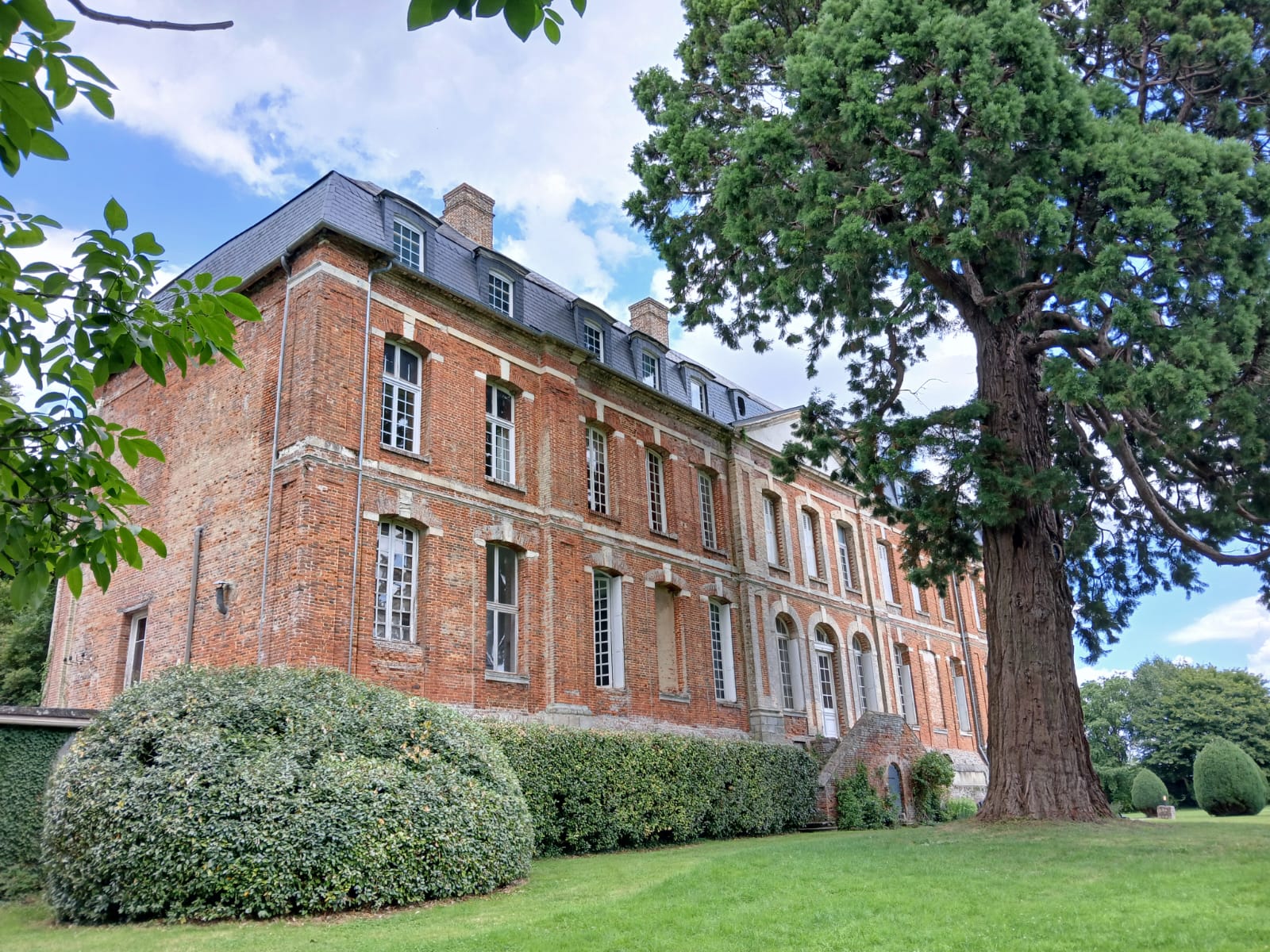
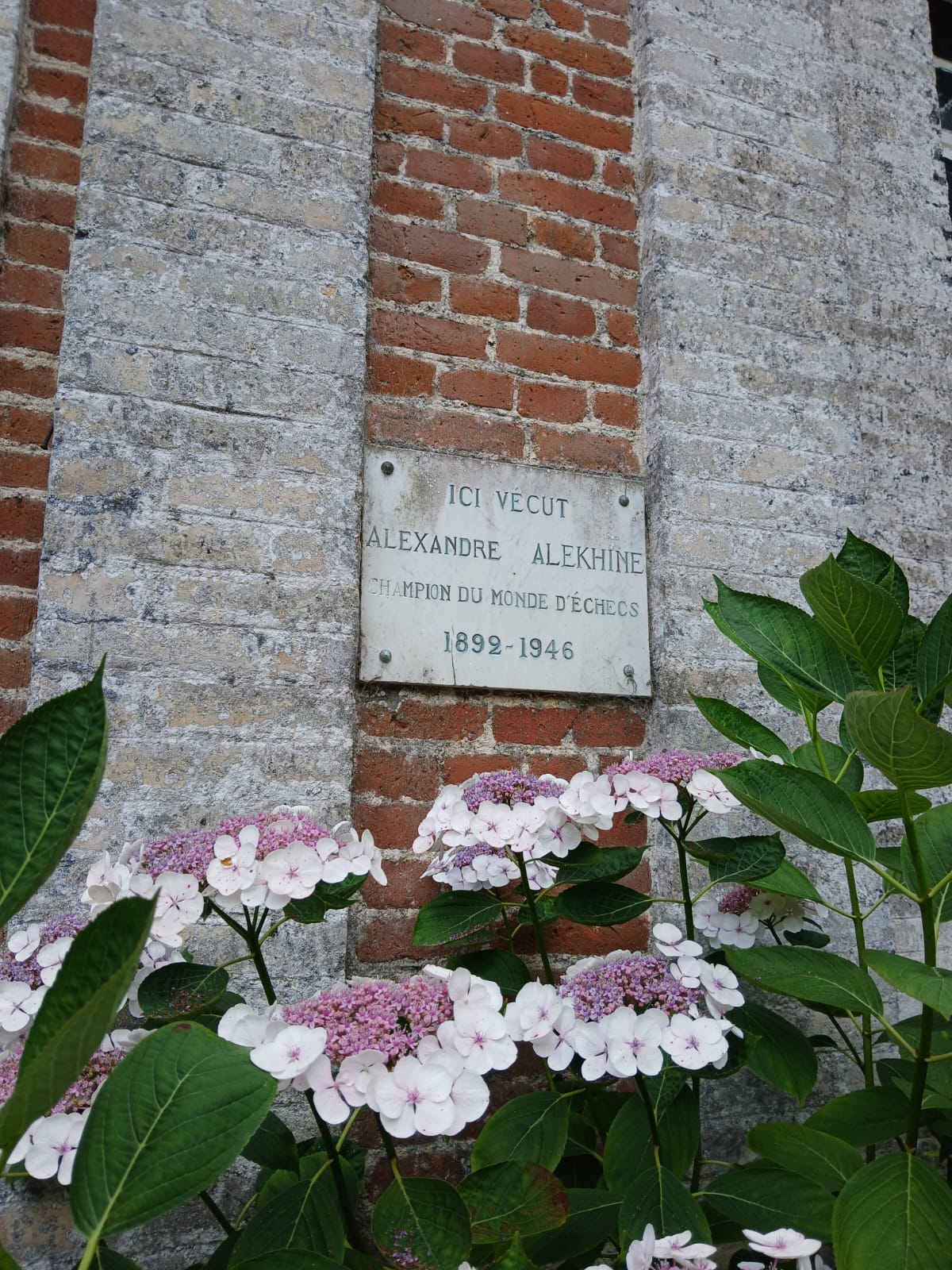
Meanwhile, the Germans had simply broken the seals and systematically looted the château, that is to say, removed by truck everything it contained: furnishings, clothes, silverware, paintings (my wife is a painter, so this was her life’s work), my library, my prizes, my writings — in a word, everything. They then turned the château into a hospital. Mr Luis Piazzini had the opportunity to visit the château in 1937 and can confirm to you what it represented.
During my stay in Portugal, around August 1941, I received a letter from a publisher who was a friend of mine, Mr H. Helms of New York, telling me of the very unfortunate impression produced by my articles in the “Pariser Zeitung”.
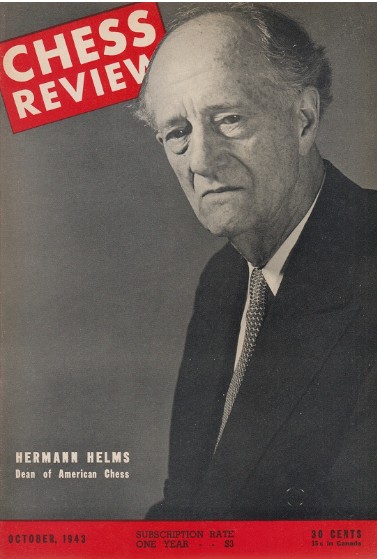
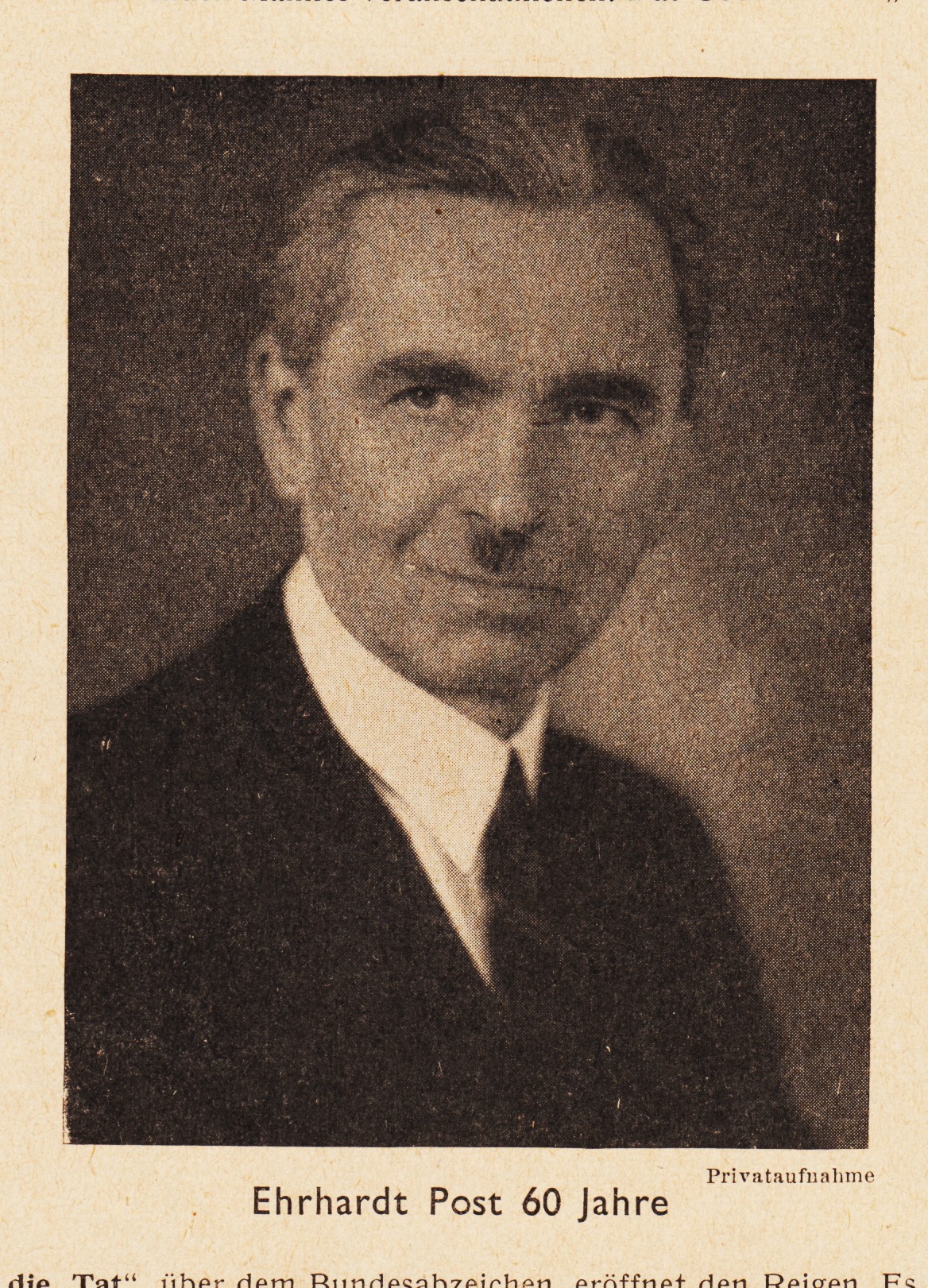
Believing that he meant the two articles mentioned above, I replied that the ideas I had expressed contained nothing new and that FIDE would necessarily have to be reorganized after the war. At about the same time, I received a communication from Mr Post, President of the German Federation (Ehrhardt Post, 1881-1947), informing me that it would not be possible for me to live in France, but that if I agreed to take part in the Munich tournament he was confident he could obtain permission for my wife to join me. I considered, and still consider, that I had no right to let my wife starve to death, and I came to Munich.
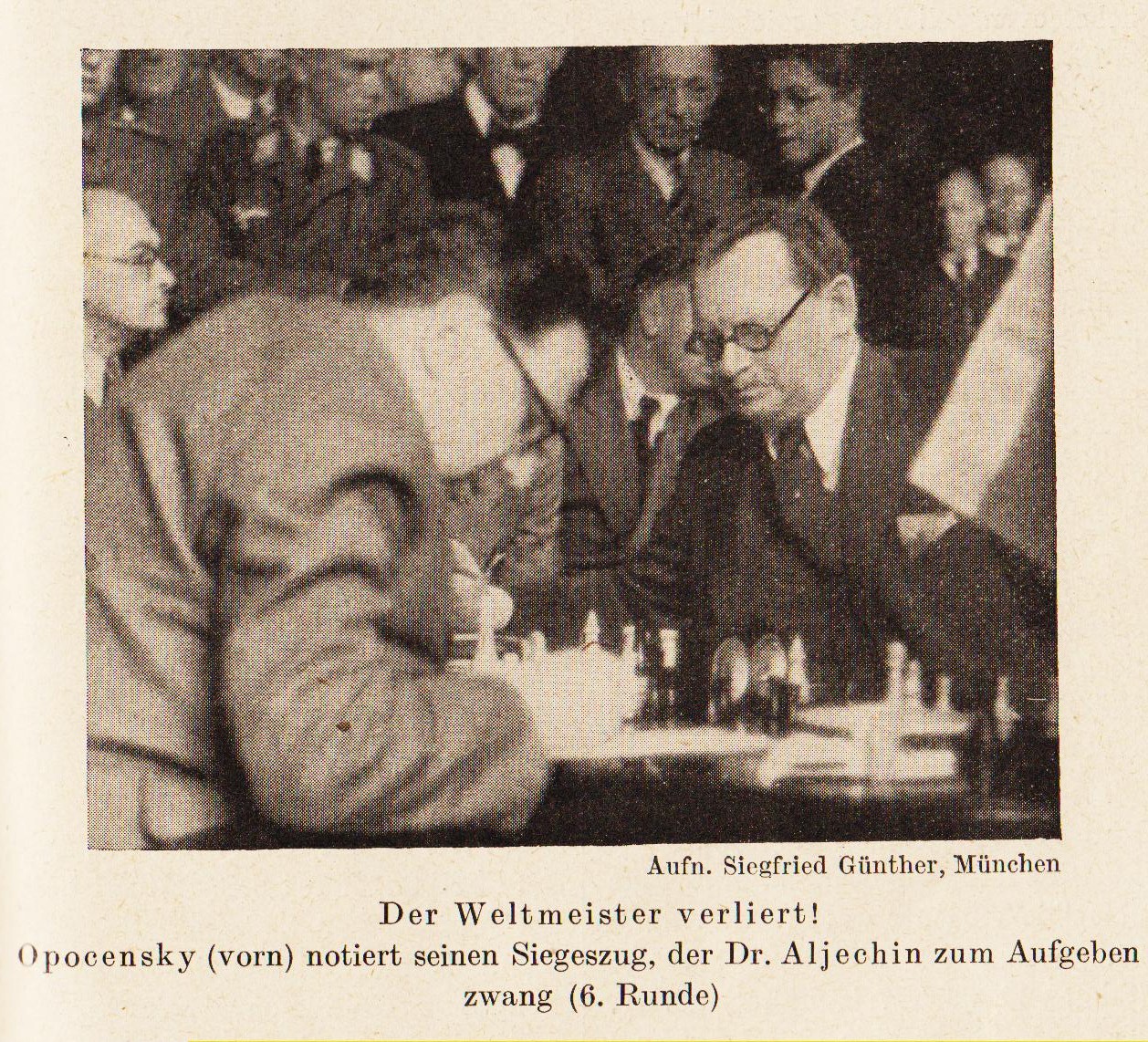
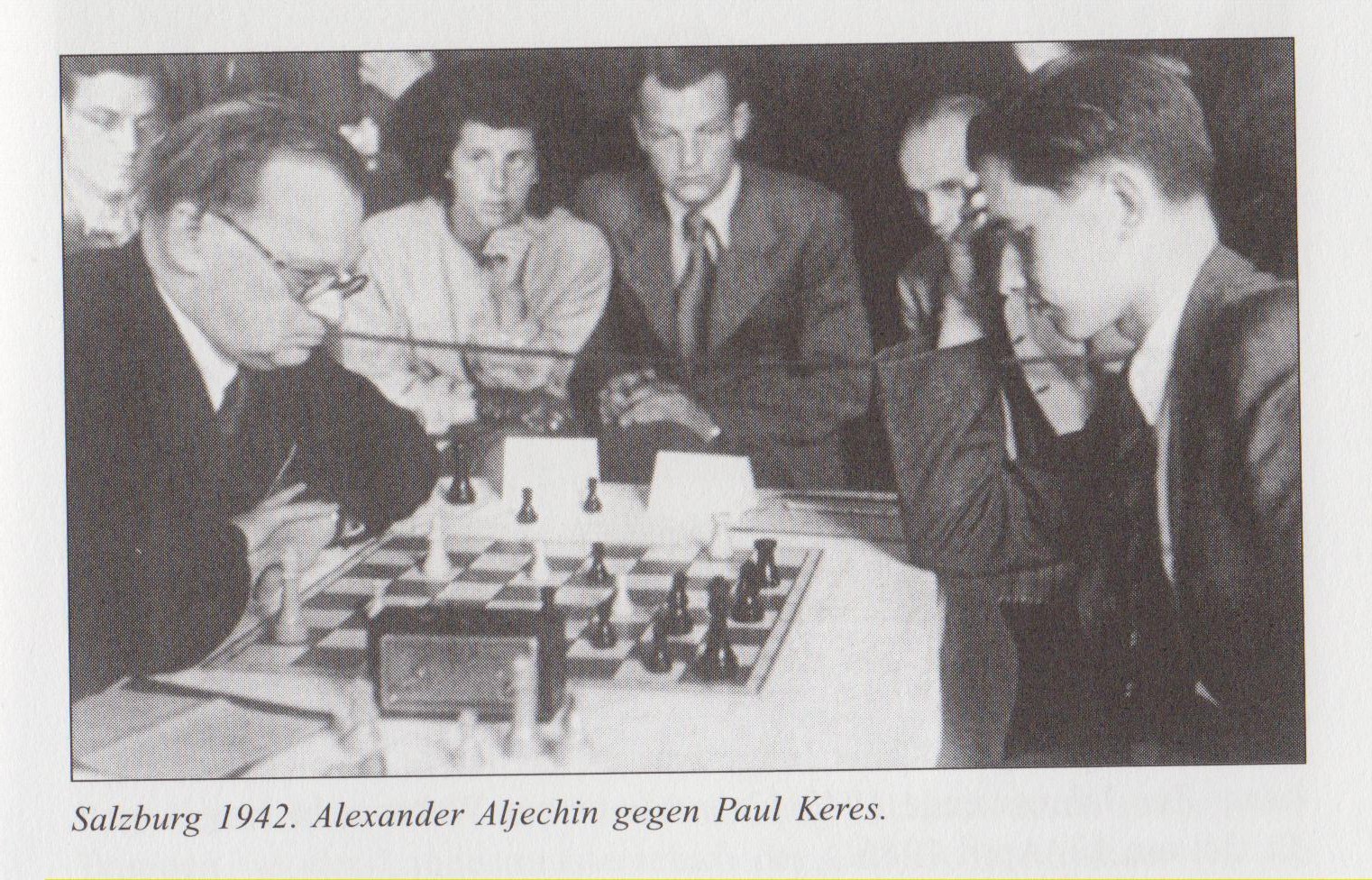
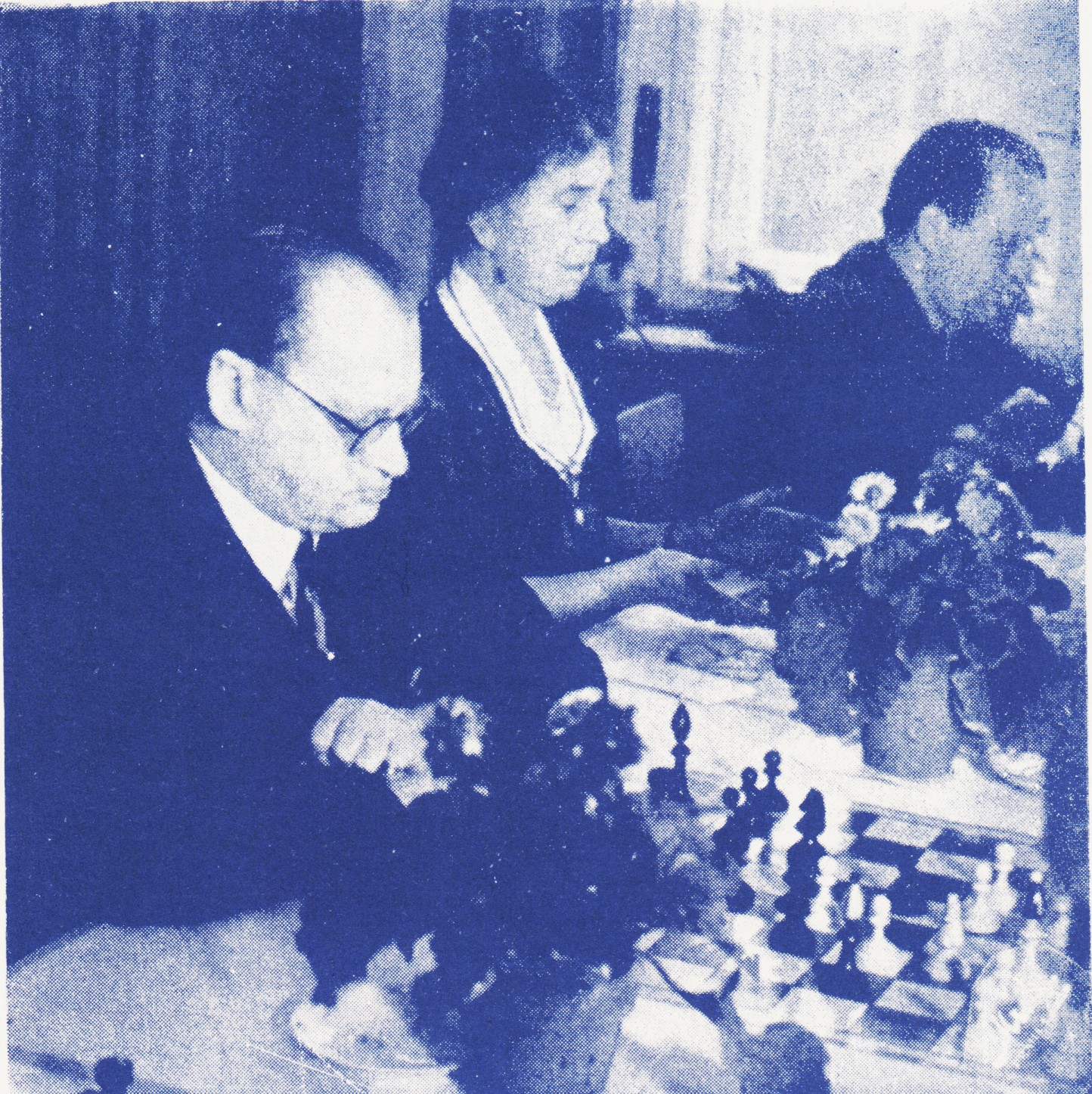
My play there (I had had no practice for more than a year) was not up to standard and I finished second (the winner was the Swede Stoltz). My wife was indeed able to join me, and we remained together (obviously under compulsion) for nearly two years, first in Poland and then mainly in Czechoslovakia. During this period I took part in seven tournaments (two in Warsaw, two in Prague, two in Salzburg, one in Munich), all of which I won. It is true that the only player of international class was Keres, against whom I had the satisfaction of scoring +3 =3.
My chess strength, despite my physical and moral suffering, had not diminished. It was only in Germany that I had the opportunity to see, partly reproduced in chess magazines, the series of lies, slanders and inaccuracies that had been published under my name in the “Pariser Zeitung” in 1941. From two purely technical articles, the editors made five or six dealing with chess from a... racial point of view!
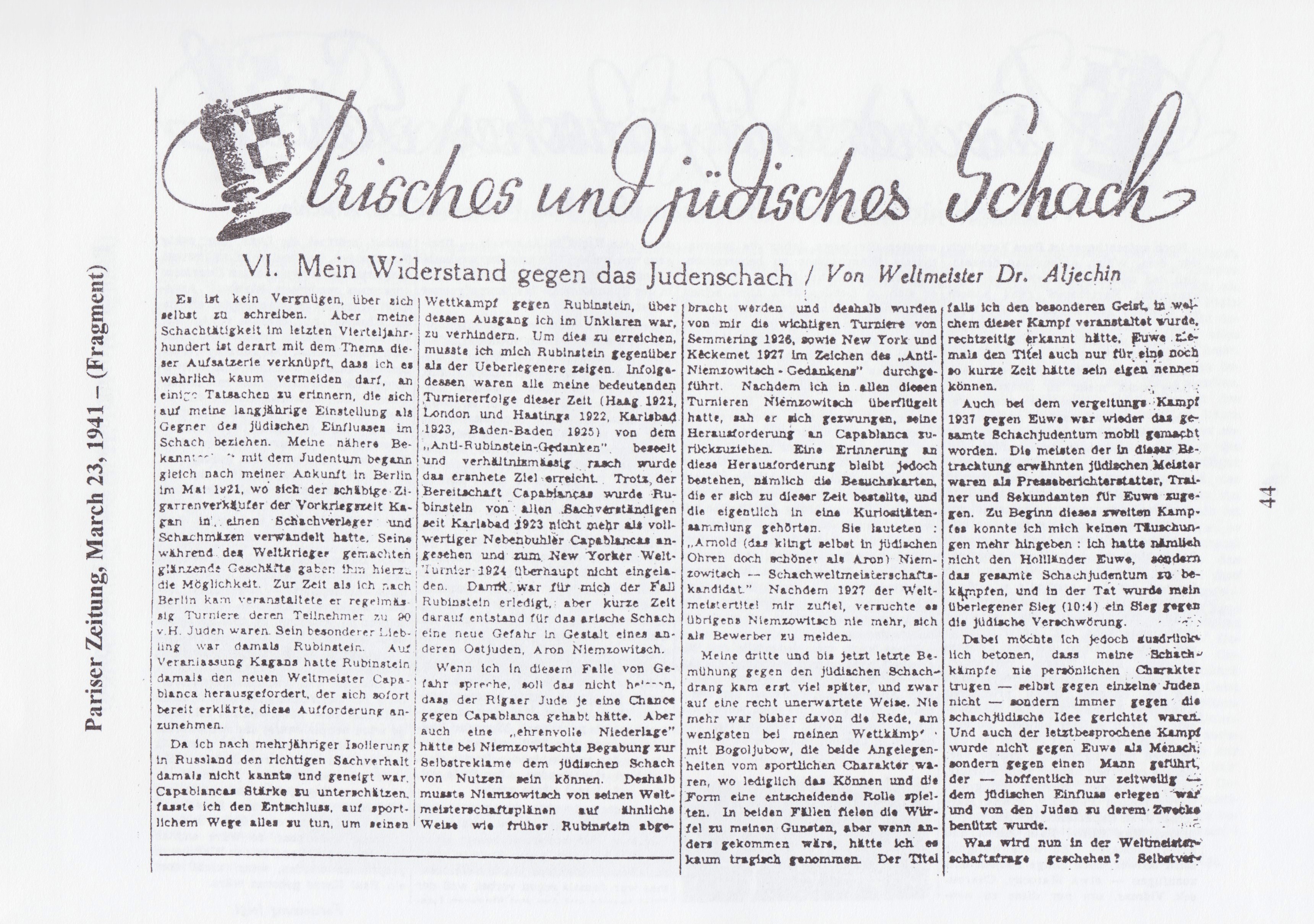
For the purposes of their cause they even turned Schlechter into a Jew. The whole thing was so ridiculous that it would not have deserved mention had my name not appeared beneath those writings. But in the circumstances in which I found myself, there was absolutely nothing I could do: I was in fact a prisoner of the Germans; if I refused to play, our ration cards would have been withdrawn and, moreover, since the U.S.A. had entered the war, my wife was under the constant threat of being sent to a concentration camp, which, given her age and health, would have meant certain death.
In January-February 1943, I had the further misfortune of contracting scarlet fever in Prague and was treated in the same hospital where my friend, Master Réti, died in 1929 of the same illness. Barely recovered, I had to resume, in order to survive, exhibitions, tournaments, etc...
At that time, the friendship of the Czechs was of very great help to me. At last, in the summer of 1943, there came a glimmer of hope: the plan for a major tournament in Madrid. At the insistence of the Spanish authorities, I obtained the German visa, but I declared that I would not take part unless my wife were allowed to come with me. And this, despite all the efforts of the Spanish Committee and despite the official invitation, was not granted by the Gestapo. The only thing I managed to obtain was permission to bring my wife back to Paris, whose liberation we hoped would come in the spring months.
I therefore left for Spain in October 1943 but refused to play, as the tournament was being organized under the auspices of the European Federation (in fact German), and I was finally free.
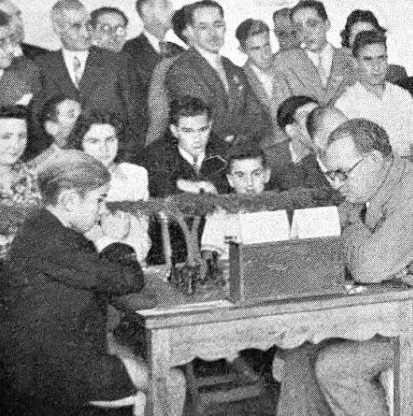
In Spain for nearly a year, my life has been uneventful: I have given many exhibitions, won a small tournament in Gijón, where my rivals included the Spanish champion Medina, a champion of the future, and waited for the very rare news from Paris.
One may ask why I waited until this day to say what has just been set out. The answer is only too easy: every word from me could (and would) have influenced my wife’s fate.
She is currently in Paris and at present I have had no news of her for five months. But if she has survived these last terrible months, she is at any rate beyond their reach. I take this opportunity to send my cordial greetings to my friends in Argentina. I am convinced that they will read my explanations with pleasure.
Please accept my distinguished salutations.
Signed: Dr Alekhine
October 1944
Alekhine’s version of events provides elements that demonstrate the complexity of his situation. To my knowledge, for the first time, Alekhine admits to having written two texts, under Nazi pressure, for the “Pariser Zeitung” with the intention of leaving France. He had obtained an “Ausweis” to travel to America via Portugal. The German magazine “Deutsche Schachzeitung” of February 1941 confirms this fact.
This contradicts a view held by several historians:
“It was at about the same time, according to Jacques du Mont, that Dr Alekhine learned that his wife was in the hands of the Germans. He tried to obtain permission to join her. The German authorities, aware of the propaganda value represented by the world champion, granted this permission on condition that he write two articles on chess for the German newspaper Pariser Zeitung. He was in fact able to return to France, and the two articles appeared under his name in the German-controlled press.”
Jacques Le Monnier, 1975
One question remains, however: why did Alekhine fail to embark from Lisbon, when his wife was American? At the time, it was necessary to be able to complete the many formalities required for departure, register with the American Embassy, cable a New York bank to obtain money, find passage on a ship, and this could take several weeks because ships were literally overwhelmed with demand. His failure seems somewhat paradoxical because, according to Alekhine, he had his wife’s support.
Another important point omitted by Alekhine is that, after spending seven months in Portugal and Spain, he immediately flew from Madrid to Munich without passing through France.
Alekhine passes over a major event in silence: Operation Barbarossa (the invasion of the USSR by the German army on 22 June 1941), which brought the German-Soviet pact to an end. Manuel De Agustin (1916-2001), who wrote a large part of Alekhine’s last book, “Legado”, revealed in an interview with Denis Teyssou that the World Champion was very afraid that the Soviets might demand his return to Russia. This helps explain, among other things, his participation in the Munich tournament of 1941.
Alekhine’s attitude towards the Nazis was equivocal, to say the least. In 1934, he agreed to play a return match against Bogoljubov while the Nazis were in power. They were the real financial backers of this World Championship, which was viewed as an event serving propaganda purposes.
In 1936, during the Munich Olympiad, played outside FIDE jurisdiction, Alekhine was the coach of the German team and appeared alongside Hitler’s lawyer, Hans Frank.
At the 1939 Buenos Aires Olympiad, as the Second World War broke out, Alekhine, captain of the French team, sided with the Allies against the Germans, who won the gold medal ahead of Poland.
Why this reversal? Perhaps he knew of the “secret” clauses of the German-Soviet pact? But above all, his brother Alexis Alekhine, who had remained in the USSR, had been executed by the Bolsheviks in 1939.
Alexis had been forced to repudiate his brother, who was regarded as an “enemy of the people” after repeatedly making statements against the Soviet regime, notably in Paris after winning the world title.
“May the myth of invincible Bolshevism be swept away, just as the myth of Capablanca’s invincibility was swept away.”
Alekhine
Under pressure from People’s Commissar Nikolai Krylenko (1885-1938), who was himself swept away by the Stalinist purges, Alexis Alekhine had been forced to publish the following statement in the Soviet press:
“I reject every anti-Soviet statement, whatever its source, even if — as is the case here — its author is my brother, and all the more so if it is someone else. I have finished with Alexander Alekhine for ever.”
Reported by the Polish historian Tomasz Lissowski
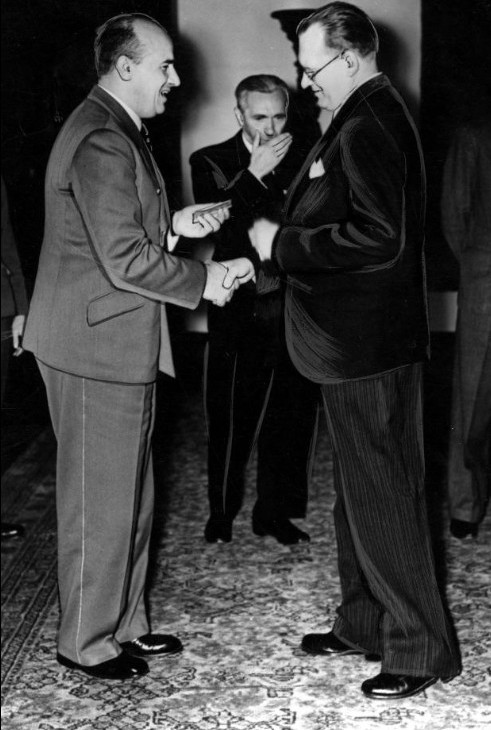
But the dark area completely omitted by Alekhine was the nature of his relationship with Hans Frank (1900-1946), Governor-General of the occupied Polish territories, nicknamed the “Butcher of Kraków”, where he resided.
Alekhine was Hans Frank’s guest on several occasions and benefited from the generosity of the man who was later hanged after the Nuremberg Trials.
I concluded my article in 2015 as follows:
“Alekhine had subscribed to Nazi ideology out of pure opportunism; he could not have imagined the scale of the massacres it would bring about through the Final Solution. Playing chess and retaining the world title were the only things that mattered to him. Yet an ulterior thought must have been troubling him: at a time when a German victory seemed a possibility that could not be ruled out, he may have hoped in this way to recover the considerable family fortune accumulated under Tsarist Russia...”
However, it may not be quite so simple.
“It is not entirely accurate to describe Alekhine as an opportunist in the light of his actions and conduct towards the National Socialist regime — at least if by this one means someone who seizes opportunities considered favourable to his own interests, while accepting the negative consequences and disregarding common norms and values.
Alekhine, however, did not merely seize opportunities that happened to present themselves here or there.
On the contrary, he himself contributed significantly to creating those opportunities in the first place.
Alekhine’s actions and conduct were those of a calculating tactician who, in the characteristic manner of a chess master, thought in terms of variations.
With his two-pronged strategy, Alekhine tried to obtain the maximum for himself and his wife: a semblance of the successful life they had led in peacetime.
But he failed in many respects, both as a human being and as a chess player.”
Conclusion of a thesis, “The World Champion and Favourite of Hans Frank?”, published in 2021 by the historian Christan Rohrer.
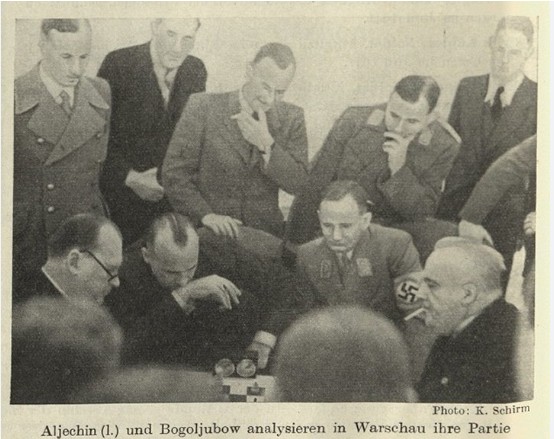
Here is a game played by Alekhine in March 1943, an exhibition at the “Deutsches Haus Café” in Warsaw. Access was restricted to German nationals only.
In 1942, Hans Frank had invited Alekhine to stay in Kraków on several occasions. A few days before this game was played, the Germans had brought the Kraków ghetto to an end by murdering Jews or deporting them to the camps by the thousands.
Alekhine no doubt had mitigating circumstances, but he could not have been unaware of this reality. His presence alongside Hans Frank at that time was one of the darkest pages of his career.
PGN Viewer powered by chesstempo.com

At the end of the war, Alekhine was not invited to the Hastings “Victory Tournament”, which was played from 28 December to 9 January 1946. The Soviets, however, declined their invitation at the last moment. He then received an invitation to the London tournament, which was held shortly afterwards, but following protests from several participants, the invitation was withdrawn. Alekhine died on 24 March 1946, aged 53, in Estoril. The circumstances of his death remain mysterious and unresolved to this day.
Efim Bogoljubov (1889-1952) was likewise excluded from major competitions. A member of the Nazi Party from 1938, he asked to be rehabilitated at the first FIDE congress after the war, held in Winterthur in 1946. His request was rejected. This request, “clumsily documented, among other things, by a letter from Governor Frank (then at Nuremberg), was referred, for lack of witnesses, to another committee.” Swiss Chess Review, November 1946.
Both men, born in Tsarist Russia, were unable to submit to the constraints imposed by the Bolsheviks and found themselves on the wrong side, agreeing to collaborate with the Nazis.
Georges Bertola
I thank the Catalan historian Xavier Juncosa (born in Barcelona in 1956), a specialist on the Vichy government, the relations of French counter-intelligence during this period with Barcelona, and the links between Vichy and Francoism.